
My Favorite Sonnet So Far
Just reading through my stack of sonnets I’ve realized that I do have a favorite that always allures my taste buds and flocks thoughts to my thoughts. This sonnet is more recent as is called “Aphrodite shall tend such flaming wick” and I know I have several other great sonnets but this one scores an eleven out of ten at this point in time. However, there will be sonnets in the future that will equal or better this sonnet and I feel that tonight I have done that.
Not with the sonnet I had comprised in my ethnic Macedonian language but from a stir of thought that came with looking at my past inspirational sonnets. The newest sonnet is easily readable and I just love it. I remember thinking that all the words in my greatest sonnet so far were so cleverly put together and meaning within them was astounding. I remember thinking that no other sonnets had such form like this through the whole sonnet, usually it would be eight lines or less of such form.
Tonight I believe I have created form and only working on this sonnet for twenty minutes I believe it is a true godsend. The sonnet came so easily to me because I was trying to work out if giving all in love was best at winning hearts. Also, I was trying to capitulate to the thoughts in my mind that love grew wiser with time and that’s where I came up with a couple of lines in the sonnet about love being like a growing child. Well, here now is the sonnet and then an explanation afterward.
He who has love shall with it win hearts
How love of you, it doth make me nervous,
That holds my tongue from his most loved attire,
Yields my skin to such bodily service,
That even my palms hold his moist satire,
Is more regal a thought than love itself,
That like a child, I shall his dear youth waste,
And with his aging shall I bring his health,
That with his years, love’s wise shall be his haste,
What is love, if his all shall not surface,
And the all to which he is shall not be,
What is love, if love’s truth hath no purpose,
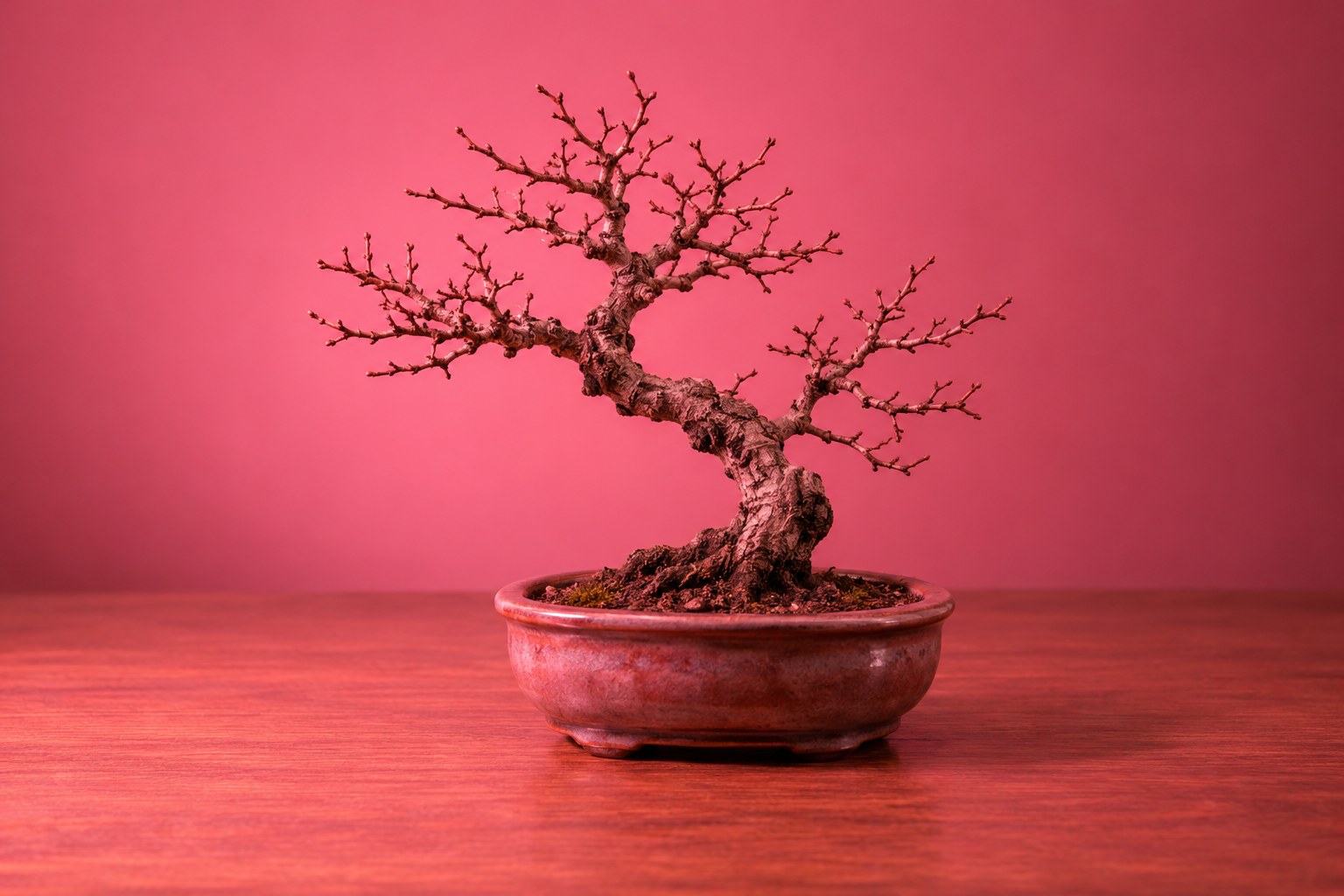
‘Tis just an anxious child, a leafless tree,
Lesser than love is a wasteful love’s best,
Perturbed I be for the all or the less,
A Negative Day Despite Two Sonnets
Let me just note that this was a brilliant Sonnet and the one before it was unique and also brilliant but this has fallen on a negative day in my Biorhythm Cycles. Despite having written two Sonnets tonight of great attractiveness I would have to rate today as a +3 on a ten point scale because I have that feel in my body that tells me I’m in a negative state. Actually, in three nights I will be triple negative for my cycles and I wonder how I will be reacting to that.
Reading the First Lines
Beginning now with the heading, it is quite simple. He who uses love or more importantly, all of love shall win women’s hearts with it. Women will not fall in love with you because you lust them and most will not fall in love with you if you love them less than with all of love. Thus, to win a woman’s love you must love them equally and that means with the whole of love.
Love makes this subject nervous (1.1). In more depth, this line not only indicates that he is nervous with excitement in being around her but also, he is nervous to the point of his argument. That argument being “Should I give her all my love or would a lesser love win her heart regardless”.
His childlike nerves are explained as he feels that love’s nerve making holds his tongue from speaking fluently (1.2). The tongue’s most loved attire (Being what dresses his tongue most favorably) would be speech and in this case, words of love to the lady would be what love’s nerves hold him back of.
His nerves go from stuttering and failing to be able to talk around her because of his love for her to sweating all over his body (1.3) which includes his palms (1.4). Love’s ‘Moist satire’ is just the man’s representation of love mocking him by making him nervously sweat in love’s presence.
Is there anything more regal than the thought or act of love itself (1.5). From here, noble love is seen in the sense of a child (1.6). This man feels that he shall waste the youth of love (Being the time he fell in love with her) as a result of his nerves. The man cannot show his truth in love because he is so nervous and because love is misrepresented its youth is wasted.
However, with time and love’s blossoming love shall become healthier and healthier (1.7). In these lines the man looks into the future of his love and sees past the nervous stage he is in hoping that he will one day overcome it. He also notes that he think love will only get stronger and with years (1.8) wise shall become of his love for her. ‘Haste’ simply means that the man will be quick to love in the future, he won’t be nervous or slow in his attempts of love.
Questioning What Love Is
The third quatrain speaks philosophically of love and he begins to question his argument. He now starts what love is (1.9) and what would be of love if it was not used to the full. What would love be if love wasn’t all there (1.10). He also asks what is love if what he feels to be love has no direction (1.11).
After all, what is the point of being in love if the only aim is love itself. What is love without a love more than love rather than a lesser love that is thought to be more. Love is not love if it has no aim other than love as this would hold to be stale, but a love that seeks further love has continual aim and thus, is true love. In line (1.12) he ends his philosophy to speak that love without these things is just like an anxious child, (fearful of true love) or a leafless tree, (A love without full blossoming).
The last couplet speaks that if you do not hold such a high value on love you will not have the all of love. Rather, an expendable love (Which is one that is not full love) is at best a love lesser than love (1.13). The man asks his final question in line (1.14).
That being his troubled and anxious quest to find out if he should give his all to this lady love or less than his all of love. He knows from his philosophy that a love that is not a full love is not a great love or even a good love but he knows that constant full love would be hard to accomplish. He also realizes that with time his love can only grow wiser so he is stuck with his dilemma upon his mind. This woman that makes him faint and sweaty just to see her is the brunt of this question’s worth and basically, he is asking himself if he should love her or not.
Trout and Shame in Macedonian
Before I move onto chronology let me just gloat some more upon my background now as a Yugoslavian Poet. There have been some words in Macedonian over the past two weeks that I have been having fun saying over and over again because they have two meanings in the same words. The only difference would be how you say it but it would sound the same at that.
Firstly, to say “Pastramche vatime” you would be saying, “Catch me a Trout”. However if you say it as “Pa stram che vatime” you would in turn be saying “Once again, shame we will catch” and to sound more clear it would turn out to be “We will be shamed out once again”. Just thought I would add that for the archives incase I forget it in the future, which is likely.

Diary Of A Mad Chaos is a daily diary written from March 1996 until today, of which individual books and book series have been created, namely “The Lost Years” an exploration of young, entwined love, the “Wubao In China (猎艳奇缘)” book series which provides an extensive comparative analysis of the cultural differences between Eastern and Western societies, and the book titled “Foreigner (华人)” an exploration of race relations in Australia.